



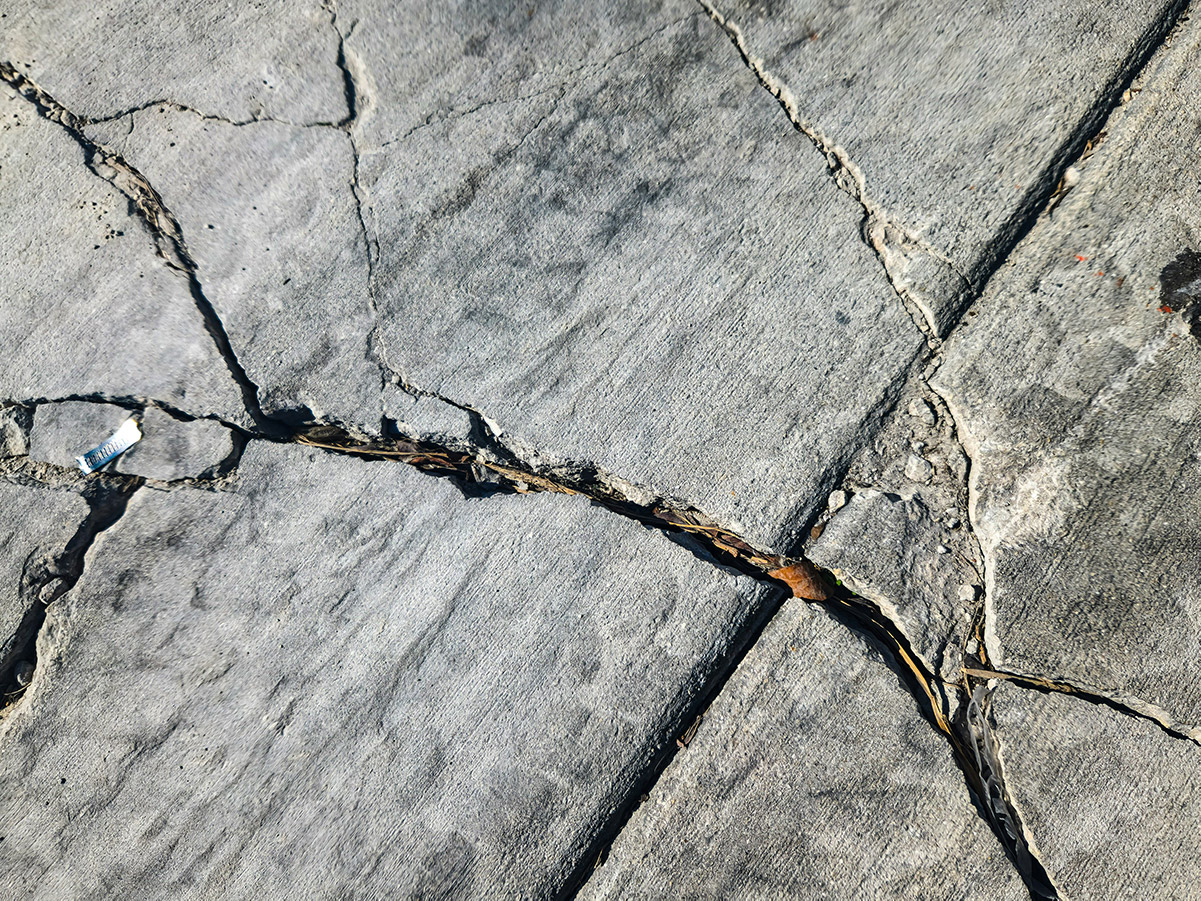

Concrete is one of the most durable and widely used construction materials in the world. But even in a relatively temperate climate like Auckland’s, homeowners may still find cracks appearing in their driveways, patios, slabs, or foundations. So what is the cause of cracking concrete—and when should you be concerned?
Understanding the cause of concrete cracking is the first step to determining whether it’s a minor cosmetic issue or something that could affect your home’s structural integrity.
Common Causes of Cracking Concrete in Auckland
Auckland’s mix of humid weather, volcanic soils, and seasonal rain events can all contribute to concrete movement and cracking. Here are some of the most common culprits:
1. Shrinkage During Curing
As concrete cures, it naturally shrinks. If this process happens too quickly—often due to hot or windy conditions—it can lead to hairline cracks. These are usually not serious and are considered cosmetic.
2. Poor Site Preparation or Subgrade Movement
Concrete is only as strong as what it sits on. If the ground beneath the slab is not properly compacted, or if it contains expansive clay (common in parts of Auckland), the movement of the soil can cause concrete to crack over time.
3. Excess Water in the Mix
Too much water in the concrete mix weakens the final product. This can make the surface more prone to cracking, particularly under pressure or weight loads.
4. Tree Roots and Vegetation
In established suburbs like Mt Eden, Remuera or Grey Lynn, mature trees can lift concrete paths or driveways with their expanding root systems. This often leads to uneven surfaces and stress fractures.
5. Seismic Activity
While Auckland isn’t known for major earthquakes, minor seismic shifts can contribute to cracking—especially in older buildings where foundations weren’t designed to withstand movement.
Structural vs. Cosmetic Cracks: What’s the Difference?
Not all cracks are created equal. Knowing the difference between cosmetic and structural cracks can help you decide whether you need to call in the experts.
Cosmetic Cracks
These are small, surface-level cracks—often less than 1mm wide—that appear in concrete slabs, driveways, or patios. They may look unsightly, but they don’t compromise the structural integrity of the concrete. Often caused by shrinkage, surface stress or temperature fluctuations, cosmetic cracks can be patched or sealed to prevent water ingress and improve appearance.
Structural Cracks
These are deeper, wider, or uneven cracks—especially those wider than 2–3mm, or cracks that show vertical displacement (one side is higher than the other). Structural cracks may indicate movement in the foundation, subgrade failure, or underlying structural issues. These should be assessed by a concrete repair or foundation specialist.
When Should You Be Worried?
Here are some warning signs that a crack may be a symptom of a deeper issue:
Cracks that are wider than 2–3mm and growing over time
Cracks that run through foundations or basement walls
Cracks accompanied by sloping floors or sticking doors/windows
Vertical displacement—one part of the slab is higher or lower
Cracks that reappear after previous repair attempts
If any of these signs are present, it’s time to get a professional assessment.
What Can You Do About Cracking Concrete?
1. Get a Professional Inspection
If you suspect structural issues, don’t leave it to chance. A qualified concrete repair or foundation specialist can assess whether the cracks are superficial or part of a larger problem.
2. Repair and Seal Minor Cracks
Cosmetic cracks can often be sealed using epoxy or polyurethane injection systems. This prevents water from seeping in and worsening the damage.
3. Address Drainage Issues
Poor drainage around your home can lead to soil erosion or water pooling beneath concrete slabs, contributing to cracking. Ensuring proper fall-away from your home and maintaining downpipes and stormwater systems is key.
4. Root and Vegetation Management
If tree roots are the culprit, you may need to prune or remove problematic trees and install root barriers to protect your concrete.
5. Reinforcement or Resurfacing
In some cases, cracked concrete may need to be reinforced with steel or carbon fibre, or resurfaced entirely depending on the severity and location of the damage.
Talk to a Local Concrete Repair Specialist
If you're unsure about the cause of your cracking concrete, or if you’re worried the cracks might be structural, it’s worth speaking to a professional. Auckland has a range of qualified concrete repair companies that understand local soil conditions, building standards, and climate-specific challenges.
Remember: Early intervention can save you thousands of dollars down the track—not to mention peace of mind.